WATER CUT METERS &
WATER-IN-OIL MONITORS
Accurate Inline Water Content Measurement Solutions
For Oil, Gas, Marine and Industrial Applications
Measure online and in real-time how much water is present in fuels and oils.
Oil & Gas Industry
What is a Water Cut Meter?

Water Cut Meters Vs. Water-in-Oil Monitors
UNDERSTANDING THE DIFFERENCE
A water cut meter measures the percentage of water in crude oil production streams, while an industrial water-in-oil monitor detects low levels of unwanted water contamination in lubricating oils, hydraulic oils, and fuels to protect equipment and maintain performance.
Industrial
(General Purpose)
What is a Water in Oil / Fuel Monitor?
New Product Release
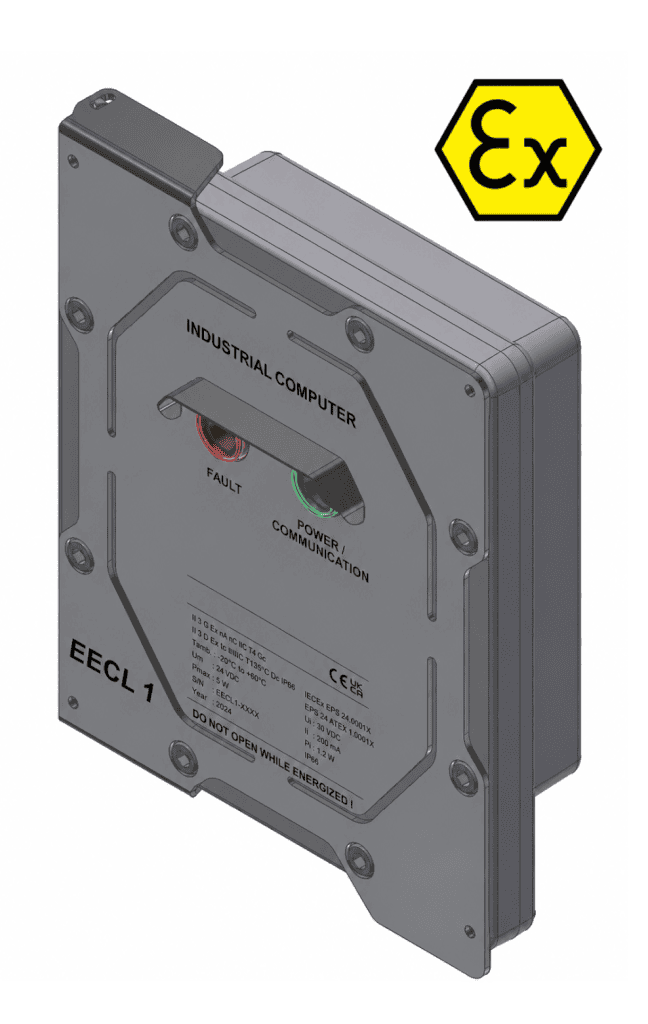
Zone 1 Local Computer for Process Sensors/Instrument Analysis/Logging
Certified as an II 2G Ex db IIB T4 Gb Flameproof Unit
Product Range
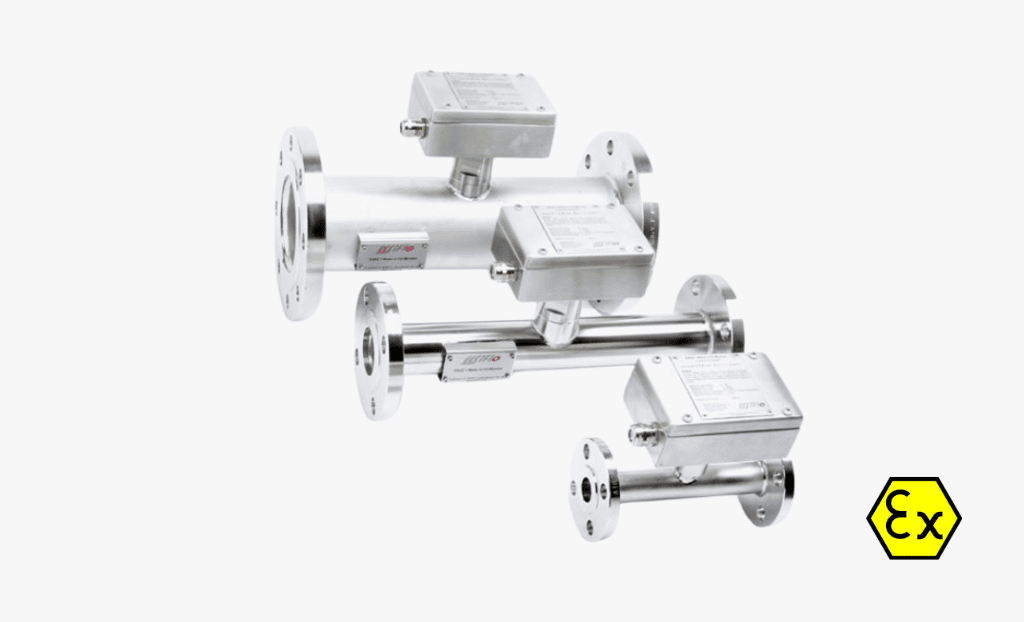
The EASZ-1 Water-Cut Monitor is a reliable online instrument that has been in use for more than a decade. It is a low powered 2-wire solution for water in oil measurements. Suitable for offshore and onshore environments with simplified zero calibration on dry oil with the press of a button. Percentage calibration using RS-232 or HART.
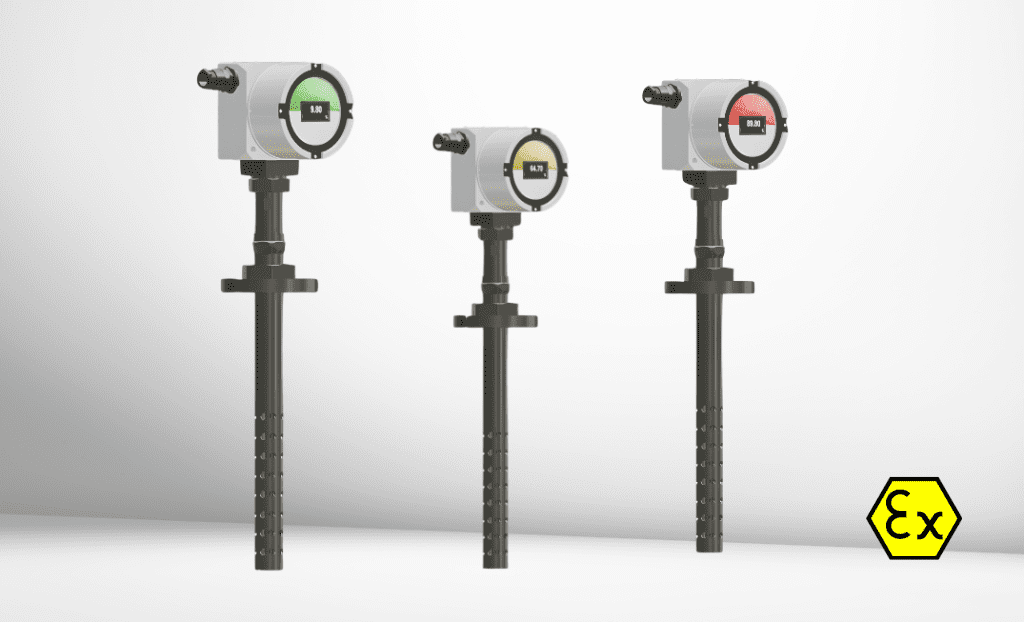
Insertion Type Watercut Meters & Full Bore Type
The EASZ-2 LR is an “Easy 2 Use” online instrument that is far more accurate and repeatable than it’s predecessors. It has been designed to faithfully maintain accuracy and repeatability in industrial environments without compromising precision, especially in lower concentrations of water…
Online cut measurements of oil in water or water in oil. Communication through RS-485 Modbus with 4-20 mA output, low/ high alarm. Bluetooth for easy set-up and calibration in an oil field. A modern solution to an age old application. The multi-point calibration system allows users to improve the accuracy across the full range of 0-100%.
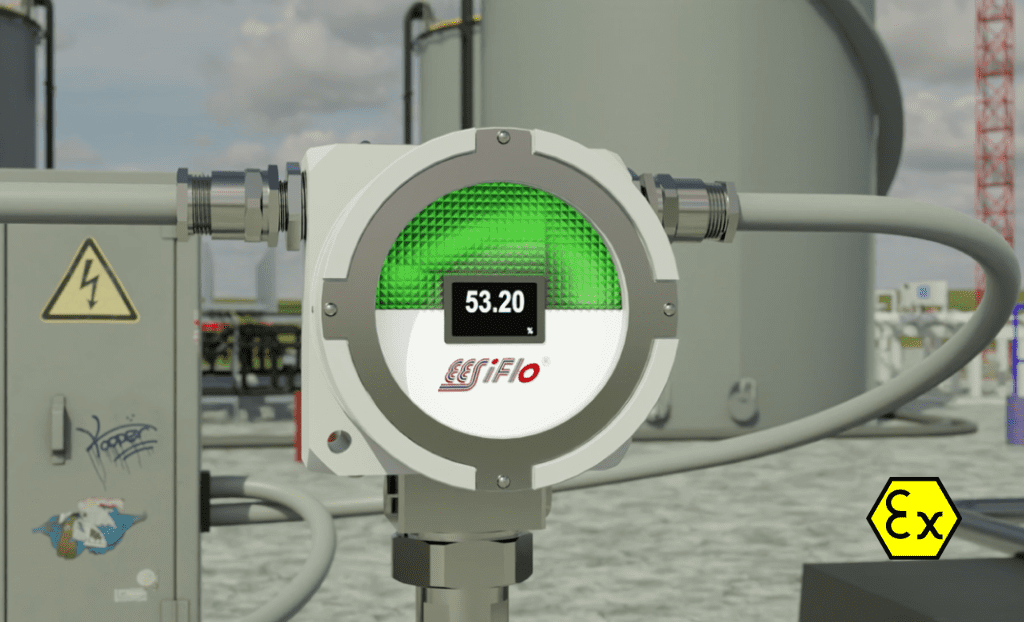
Water Cut Meters
Water Cut Meters measure high volumes of water (typically 0% to 100%) mixed with oil. They are primarily used in production and custody transfer.
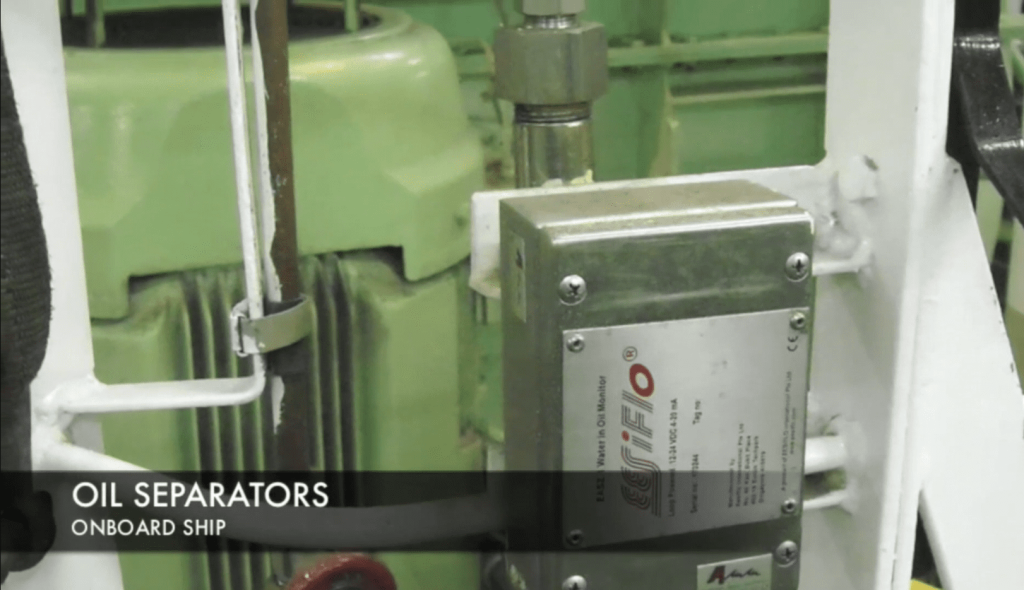
Water-in-Oil Monitors
Water-in-Oil Monitors measure small amounts of water (typically in low ranges). They are primarily used for machinery protection and quality assurance.
Water in Oil Monitors
The EASZ-1 and EASZ-2 are original products designed and manufactured by EESIFLO®. EASZ inline sensors display and transmit actual water content in crude oil pipelines, petroleum, lubrication, hydraulic systems and vegetable oils. The products are designed for general purpose measurement of water content in oil and in Ex versions for the oil and gas industry where these products are often referred to as watercut meters and BS&W probes which are used in oil separation units, LACT systems and crude oil metering stations.
More INDUSTRY APPLICATIONS
Trusted Across Critical Industries

Upstream Oil & Gas (Wellheads & Separation)
This is the most common home for high-capacity water cut meters. When oil is pumped from a reservoir, it is naturally mixed with a significant amount of formation water.
Well Testing: Installed directly at the wellhead or on test manifolds to track how much water an individual well is producing. This helps reservoir engineers evaluate well performance and detect early “water breakthrough”.
Production Separators: Placed on the oil discharge leg of 2-phase or 3-phase production separators to verify that the separation equipment has successfully stripped the bulk water out of the crude stream before it enters a transport pipeline.
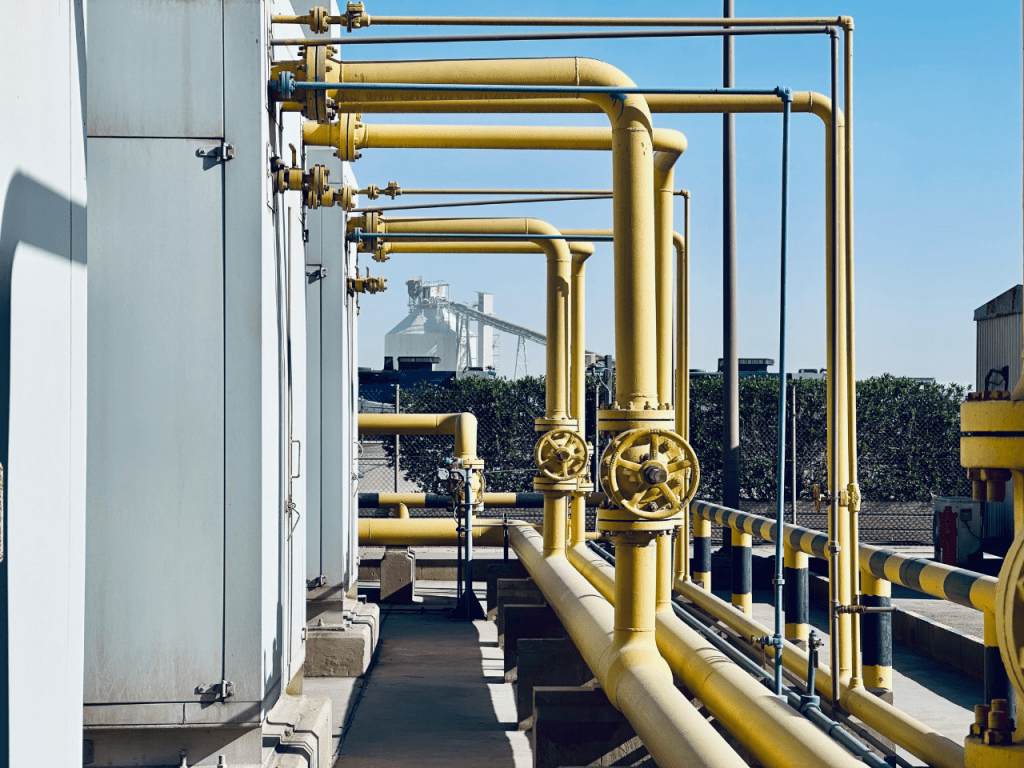
Midstream Oil & Gas (Pipelines & Custody Transfer)
In the midstream sector, minimizing water is a matter of financial accuracy and pipeline integrity.
LACT Units & Custody Transfer Skids: When crude oil changes ownership (e.g., from a producer to a pipeline operator or onto a tanker ship), buyers use water cut meters to measure BS&W (Base Sediment and Water). Buyers only want to pay for the net oil, not the water.
Pipeline Corrosion Control: Water trapped in crude pipelines causes internal pipe corrosion and can lead to the formation of gas hydrates. Continuous monitoring alerts operators to drop water out before it ruins midstream infrastructure.
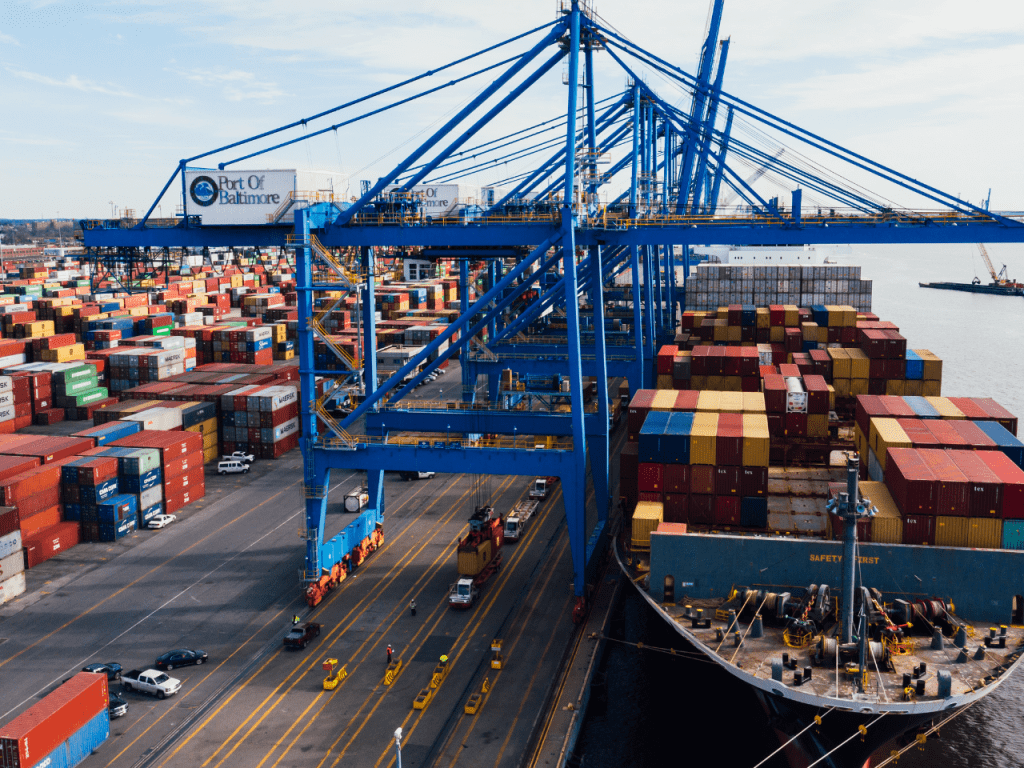
Marine Engineering & Shipping
Onboard ocean-going vessels, oil tankers, and submarines, water-in-oil monitors act as critical safety switches to prevent catastrophic mechanical failures.
Main Engine & Propulsion Lubrication: Large marine diesel engines and thrusters rely on massive oil sumps. If a heat exchanger leaks seawater into the engine lube oil, it can wipe out bearings. Inline sensors monitor the oil loops in real time to trigger alarms before the oil loses its lubricity.
Fuel Purifiers & Centrifuges: Ships burn heavy fuel oil (HFO) or marine diesel, which must be run through high-speed centrifugal purifiers to remove water before it hits the injection system. Monitors are installed on the purifier outlets to ensure the fuel is bone-dry.
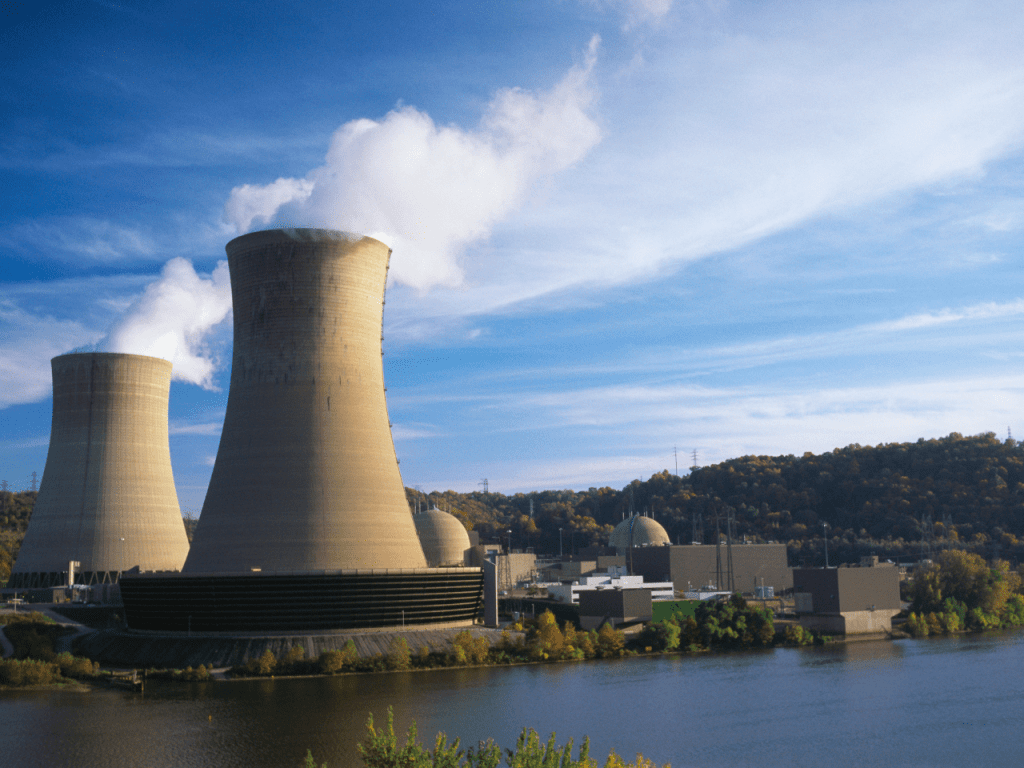
Power Generation (Turbines)
Power plants rely on massive, rotating machinery that cannot tolerate water ingress.
Steam & Gas Turbine Lubrication: Water can sneak into turbine oil via steam gland seal leaks or cooling systems. Continuous trace monitors ensure the turbine bearings stay flooded with pure oil, preventing unexpected power plant trips.
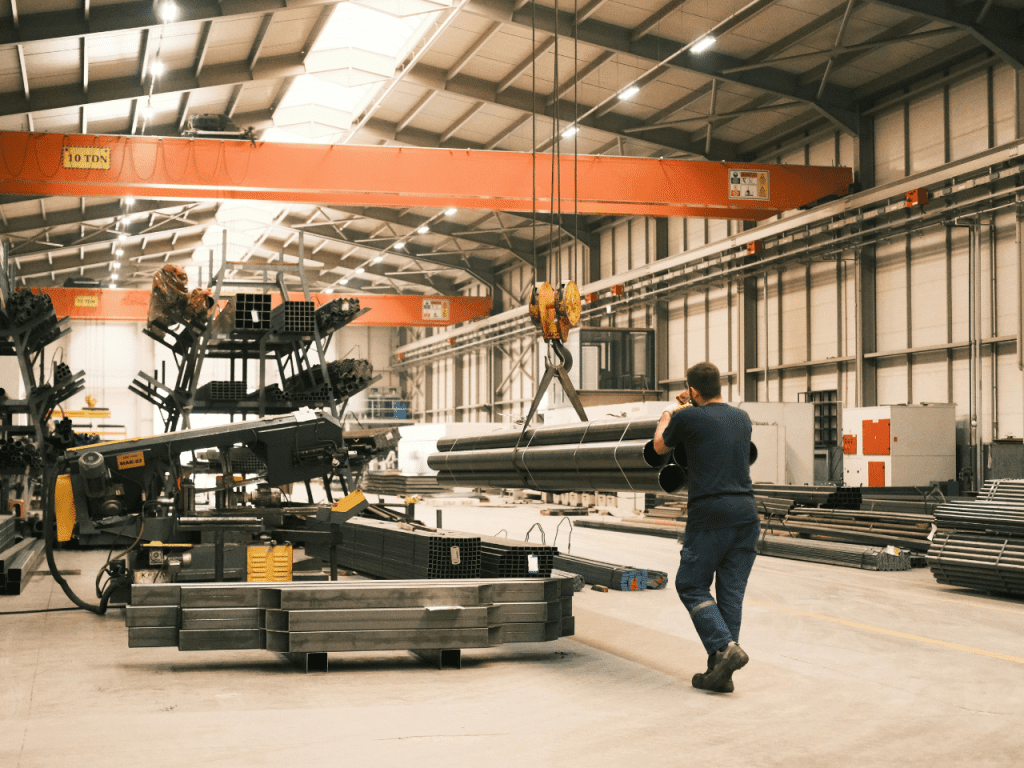
Heavy Manufacturing & Industrial Hydraulics
High-pressure hydraulic lines and high-speed industrial gearboxes are highly sensitive to moisture.
Engine protection systems requiring continuous monitoring of water in oil or fuel.
Hydraulic Power Packs: In steel mills, paper mills, and injection molding facilities, water contamination in hydraulic oil degrades the fluid, destroys precision valves, and causes pump cavitation.
Industrial Dehydration Systems: Used on the outlets of oil filtration skids or vacuum dehydrators to verify that the recycling system has successfully removed moisture from reclaimed industrial oils.
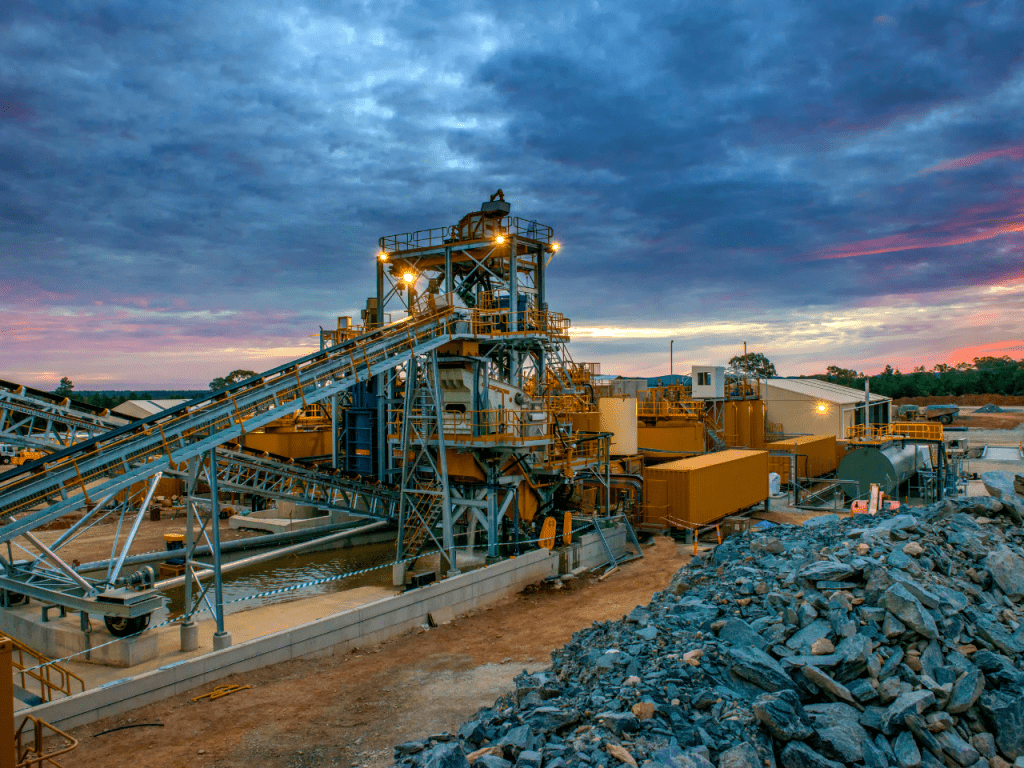
Mining & Mineral Processing
Water contamination in fuels and lubricants can significantly impact the reliability of heavy mining equipment and mineral processing operations.
Mobile Mining Equipment: Large haul trucks, excavators, draglines, and drilling rigs operate in harsh environments where water ingress can occur through condensation, washdowns, or equipment exposure to rain. Continuous water-in-oil monitoring helps prevent premature wear of engines, hydraulic systems, and gearboxes.
Ore Processing Plants: Crushers, conveyors, mills, and flotation systems rely on lubricated rotating equipment and hydraulic power units. Online water cut and water-in-oil monitoring enables maintenance teams to detect contamination early, reduce unplanned downtime, and extend equipment life.
NEED HELP SELECTING THE RIGHT WATER MEASUREMENT SOLUTION?
Our application experts are ready to help you find the ideal solution for your process
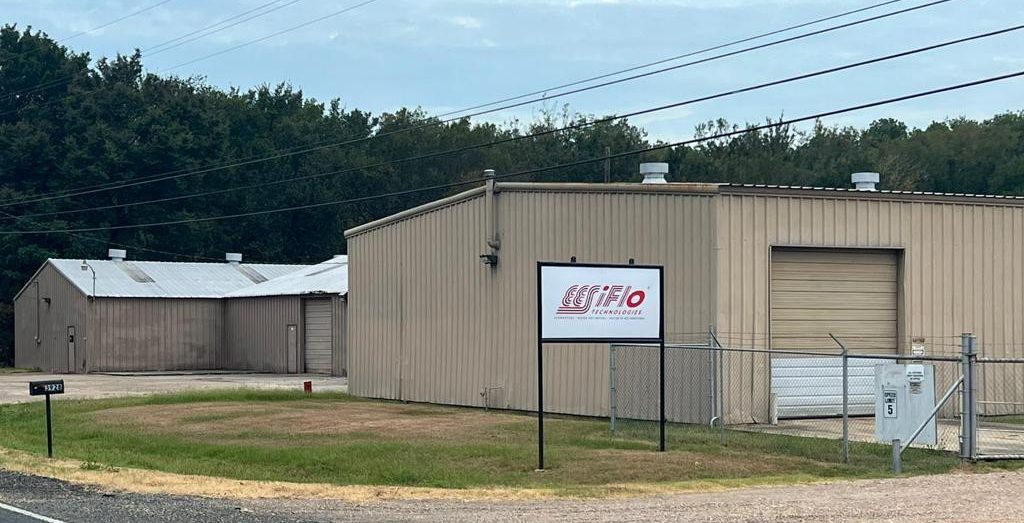
Serving Clients Across the Globe
For over three decades, EESIFLO has been trusted by customers worldwide to deliver reliable solutions for water-in-oil monitoring, water cut measurement, and flow measurement applications. Our technologies are used across a wide range of industries, including oil & gas, marine, power generation, manufacturing, and industrial process operations.
Trusted by industries around the world, EESIFLO continues to help customers monitor, measure, and optimize their processes with confidence.